
Stop Salon Drama: The Ultimate Employee Rules Guide (2026)
QuarkBooker Team
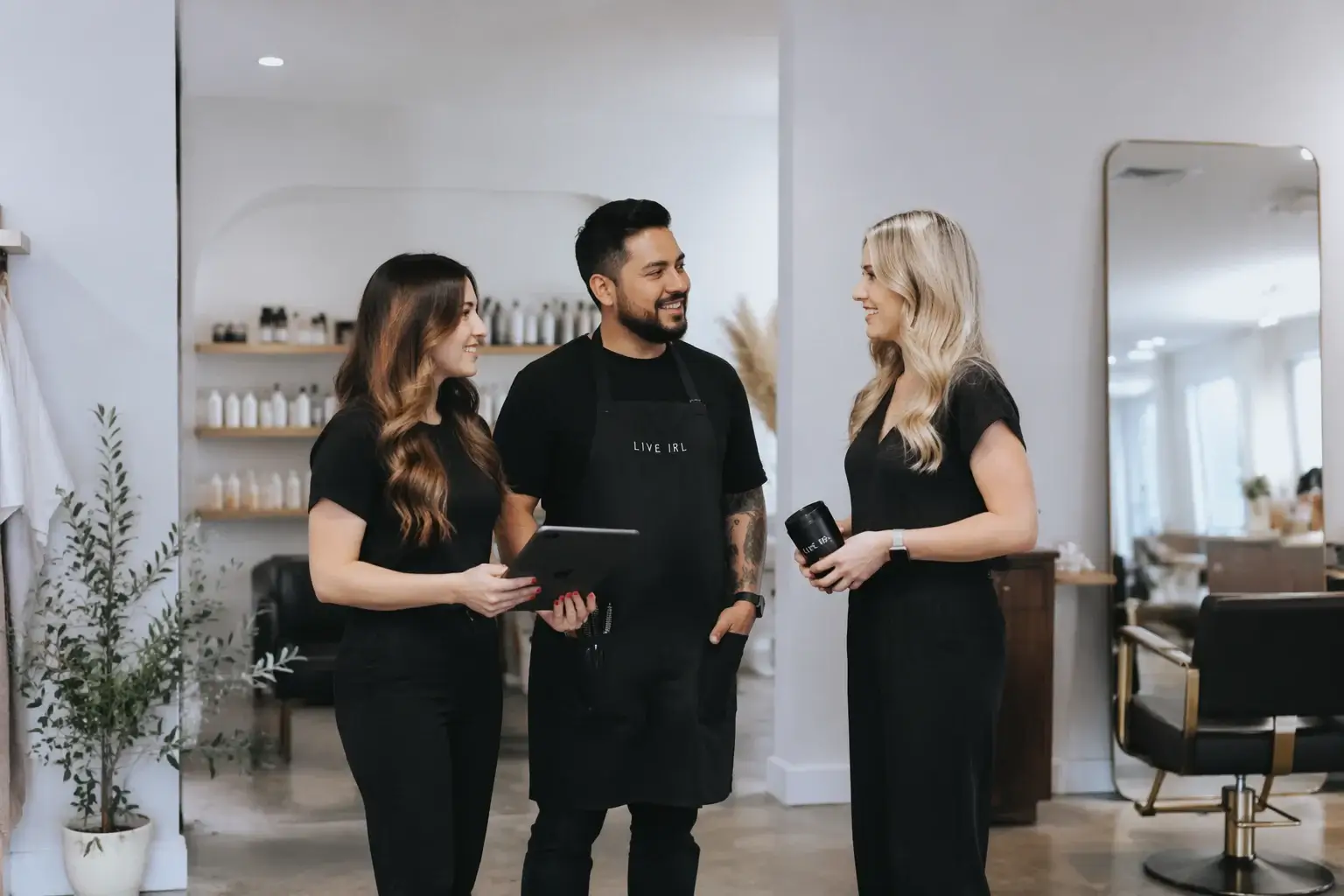
Establishing a clear set of hair salon rules and regulations for employees is the foundation of a scalable, professional, and stress-free beauty business. In 2026, salon management has evolved beyond simple attendance; it now encompasses digital etiquette, mental health awareness, and advanced client data protection. A well-documented employee handbook ensures consistency in service quality, minimizes workplace conflicts, and protects the salon from legal liabilities. By setting transparent expectations, salon owners can foster a culture of accountability and excellence that keeps both staff and clients loyal.
Why Every Salon Needs a Comprehensive Employee Handbook in 2026
The beauty industry is more competitive than ever. According to recent data on the global beauty and personal care market, the demand for high-end, professional salon services is projected to grow through 2026, making structured management a key differentiator. With the rise of independent chair rentals and the "creator economy" in hair styling, salon owners must provide a structured environment to retain top talent.
Hair salon rules and regulations for employees are not about restriction; they are about providing a roadmap for success. When employees understand the boundaries, they feel more secure in their roles. For the owner, these rules act as a safeguard. Whether it is maintaining hygiene standards or managing the nuances of social media marketing, a formal guide prevents operational friction.
1. Professional Conduct and Workplace Ethics
The behavior of your stylists directly reflects your brand. Professionalism in a salon setting goes beyond being polite; it involves emotional intelligence and ethical boundaries.
Punctuality and Time Management
In a high-traffic salon, a 15-minute delay can snowball into a three-hour backlog. Rules should explicitly state:
- Arrival Time: Employees should be at their stations 10–15 minutes before the first appointment.
- Clock-in Procedures: Using digital logs to track hours accurately.
- No-Show Handling: How stylists should utilize gaps in their schedule if a client cancels.
Communication Standards
Internal communication is just as vital as client-facing talk. Regulations should prohibit workplace gossip, which is the leading cause of toxic salon environments. Encouraging a "solutions-oriented" approach ensures that creating clear rules for salon staff becomes a collaborative effort rather than a top-down mandate.
2. Hygiene, Safety, and Sanitation Protocols
Post-pandemic standards are now permanent fixtures. According to the Professional Beauty Association (PBA), salons that maintain visible, rigorous cleaning schedules see a 20% higher client retention rate.
Individual Station Maintenance
Every stylist is responsible for their workspace. Regulations must include:
- Tool Sterilization: Mandating the use of medical-grade disinfectants for tools between every client.
- Cross-Contamination Prevention: Strict rules on the storage of clean vs. soiled linens.
- End-of-Day Deep Clean: A checklist for sweeping and product restocking.
Health and Safety Compliance
Compliance with OSHA standards for hair salons is non-negotiable. Employees must be trained on the proper handling of chemical substances, such as hair color and keratin treatments, to prevent respiratory issues or skin burns. Providing Personal Protective Equipment (PPE) is a standard part of operational rules.
3. The 2026 Social Media and Content Policy
In 2026, your stylists are also content creators. While this helps market the salon, it requires strict regulation to protect the business's reputation.
- Client Consent: No photos or videos should be taken or posted without a signed digital consent form.
- Branding Consistency: Guidelines on using salon-approved filters or hashtags.
- Device Usage: Rules regarding personal phone use on the floor.
- Anti-Poaching Clauses: Policies regarding "tagging" personal accounts to prevent stylists from taking clients if they leave.
4. Dress Code and Professional Image
A cohesive look creates a "high-end" feel. Clarity is key, whether you opt for a strict uniform or a general aesthetic. Many modern salons are moving toward a chic pink and black salon rules aesthetic, where the dress code matches the interior design.
Key considerations for 2026 dress codes:
- Footwear: Must be closed-toe for safety and ergonomic for long hours.
- Apparel: Needs to be "bleach-proof" to maintain a clean appearance.
- Personal Grooming: Staff should reflect the high-quality services they provide.
5. Client Interaction and Data Privacy
With stricter data protection laws, how your employees handle client information is a legal matter. Salons must stay compliant with FTC privacy standards to ensure booking information is handled securely.
Confidentiality
Employees must never discuss a client’s personal information with others. A breach of trust is often a breach of contract.
Conflict Resolution
Your hair salon rules and regulations for employees should include a step-by-step "De-escalation Protocol":
- Listen without interrupting.
- Offer an immediate technical fix if possible.
- Escalate to the manager if a refund is requested.
- For a deeper dive into handling these situations, refer to salon rules, legal guidelines, and client conflicts.
6. Performance Reviews and Professional Development
Rules should also outline the path to promotion.
- KPI Tracking: Rules regarding the tracking of retail sales and rebooking rates.
- Continuing Education: A requirement for stylists to attend training to stay updated on 2026 trends.
Frequently Asked Questions (FAQ)
What are the most important salon rules for employees?
The most critical rules focus on hygiene, punctuality, and professional conduct. These ensure the safety of the client, the legality of the business, and the efficiency of the salon's daily operations.
Can a salon owner enforce a dress code?
Yes, salon owners can legally enforce a dress code as long as it does not discriminate against protected classes. Clear dress codes help maintain a professional brand image and ensure employee safety.
How should a salon handle employee social media use?
A formal social media policy should be in place. It should require client consent for photos, prohibit derogatory content, and define how stylists can link to their professional portfolios.
What happens if an employee breaks salon regulations?
A "Three-Strike" policy is standard, involving a verbal warning, a written warning, and termination. Refer to guidelines for employee misconduct for legal compliance.
How do I introduce new rules to existing staff?
Transparency is key. Hold a staff meeting to explain how the new regulations benefit the team’s workflow and the salon's growth, rather than just distributing a list of demands.
Conclusion: Building a Culture of Excellence
Implementing hair salon rules and regulations for employees is an investment in your salon’s longevity. By covering everything from basic sanitation to complex social media ethics, you create an environment where professionals can thrive.
Beyond having the right rules, having the right tools is essential. Many successful salon owners are now moving away from manual tracking and utilizing all-in-one management platforms to automate scheduling, manage employee commissions, and reduce no-shows. When your operations are automated, enforcing your rules becomes significantly easier.