
Dress Code for Salon Staff: 2026 Guide & Best Practices
QuarkBooker Team
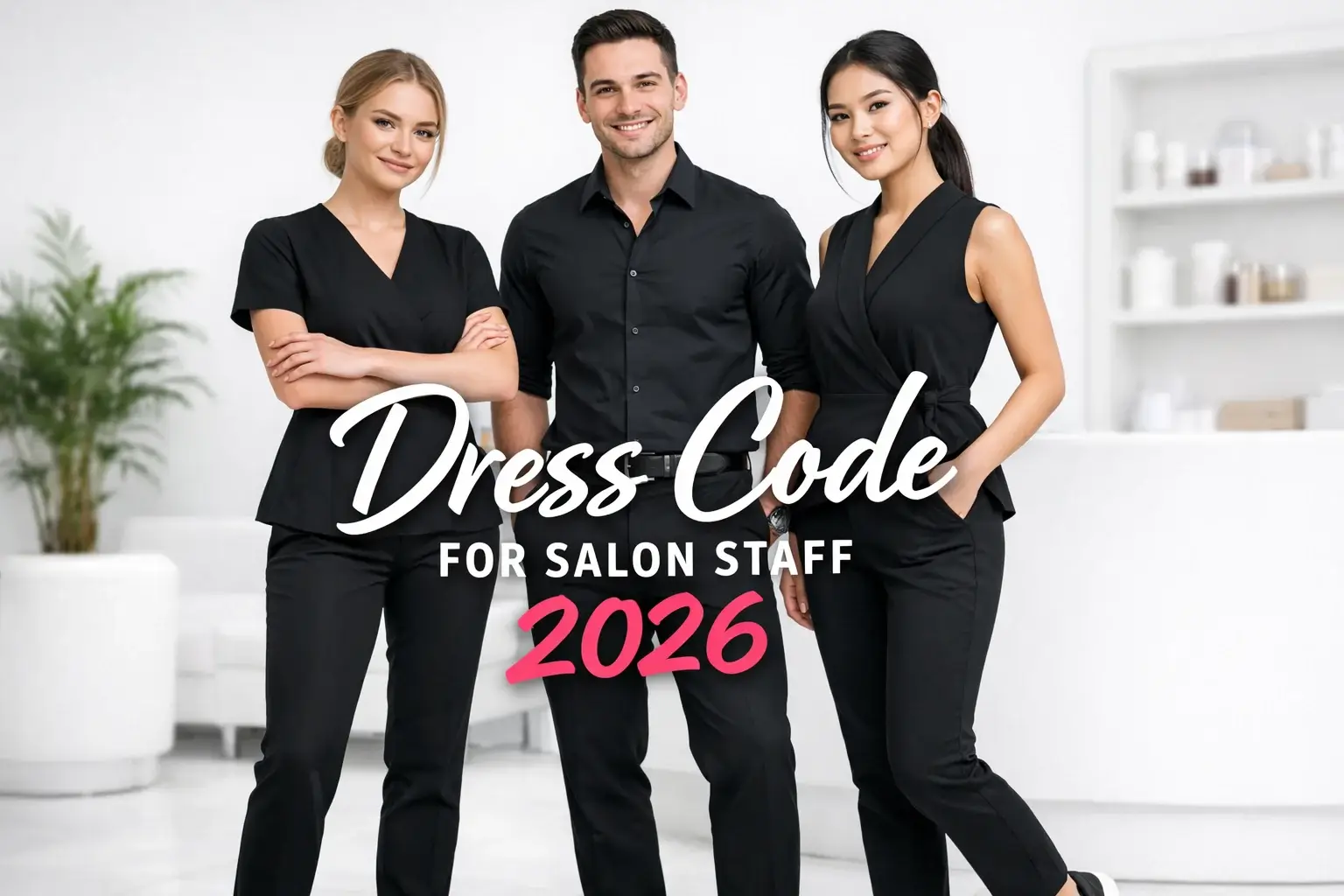
In today’s beauty industry, the dress code for salon staff is far more than a list of rules—it’s a strategic tool that shapes first impressions, reinforces brand identity, and directly influences client trust and loyalty. Salon owners and managers who invest time in crafting a clear, practical dress code see measurable benefits: staff feel more professional, clients perceive higher service quality, and the entire salon operates with greater cohesion.
A well-designed dress code for salon staff typically requires clean, comfortable, professional attire in neutral or branded colors (such as all-black, black-and-white, or signature hues), closed-toe shoes for safety and hygiene, and grooming standards that prioritize cleanliness and polish. This approach balances creativity with consistency, ensuring your team looks approachable yet expert. In this comprehensive guide, we’ll break down why it matters, what to include, how to implement it, and the latest 2026 trends—so you can create a policy that elevates your salon without stifling individuality.
Table of Contents
- Why a Dress Code for Salon Staff Matters
- Core Elements of an Effective Salon Dress Code
- Uniforms vs. Flexible Dress Code: Choosing What Fits Your Salon
- Grooming and Hygiene Standards Beyond Clothing
- Tailoring Your Dress Code to Salon Type and Brand Identity
- Implementing a Dress Code for Salon Staff: Step-by-Step Guide
- 2026 Trends Shaping Salon Staff Attire
- Common Mistakes to Avoid with Salon Dress Codes
- FAQ
- Conclusion
Why a Dress Code for Salon Staff Matters
Client perception begins the moment someone walks through your door. Research shows that physical appearance and professional attire influence customer satisfaction, service quality perception, and likability in service settings. A 2019 study published in the Journal of Retailing and Consumer Services found that service employees’ physical attractiveness and polished presentation positively affect consumer responses, with social distance perception acting as a key mediator. In salons, where clients are often vulnerable during services, a professional look builds immediate trust.
Beyond psychology, a strong dress code delivers practical advantages. It promotes hygiene in an environment filled with chemicals, dyes, and styling products. It helps clients quickly identify staff in busy salons. It also protects clothing from stains and wear. According to industry discussions in Hairdressers Journal International, salons that maintain clear appearance standards receive consistent positive feedback on team professionalism.
A thoughtful policy can even support team morale when implemented collaboratively. For deeper insights into fostering a positive environment, see our article on salon staff retention culture secrets for 2026.
Core Elements of an Effective Salon Dress Code
Every successful dress code for salon staff rests on four pillars: clothing, color, footwear, and accessories. Keep policies specific yet flexible enough to accommodate different roles (stylists, nail techs, estheticians, reception).
Clothing Choices
Prioritize comfort and functionality. Staff need to move freely—bending, standing, and reaching—for hours. Opt for breathable, stretch fabrics that resist stains and wrinkles. Black pants or leggings, tailored tops, and smock-style tunics are popular because they hide color deposits and look polished. Avoid ripped denim, crop tops, shorts, or anything revealing. Many salons allow neat jeans in dark washes but prohibit distressed styles.
Colors and Branding
Neutral palettes dominate for a reason: black, charcoal, white, soft gray, and beige project cleanliness and sophistication. Signature brand colors can differentiate your salon—think chic pink accents or bold black-and-white schemes. For creative inspiration on color-based policies, explore our guide to chic pink and black salon rules.
Footwear and Accessories
Closed-toe, non-slip shoes are non-negotiable for safety and hygiene compliance in most states. Sneakers or professional clogs work well if they’re clean and stylish. Limit jewelry to small, non-dangling pieces to avoid snags or contamination. Name badges or subtle branded logos help clients identify staff instantly.
Uniforms vs. Flexible Dress Code: Choosing What Fits Your Salon
The debate between strict uniforms and flexible dress codes continues in the beauty sector. Hairdressers Journal International highlights contrasting views from salon owners. Some require uniforms for trainees to guarantee brand consistency and professionalism, while senior stylists express individuality within guidelines—no trainers, jeans, or overly casual looks. Others skip uniforms entirely, trusting staff to dress in a polished, brand-aligned way that feels authentic.
Pros of uniforms: Instant recognition, strong branding, protection from product damage, and easier enforcement.
Pros of flexible codes: Boosts creativity, improves staff satisfaction, and aligns with modern, expressive salon cultures.
The best choice depends on your clientele and team size. High-end spas often lean toward coordinated uniforms, while trendy urban salons favor smart-casual with clear boundaries.
Grooming and Hygiene Standards Beyond Clothing
Clothing is only half the story. Impeccable grooming reinforces the dress code for salon staff and signals expertise to clients. Require clean, styled hair (often tied back during services), minimal visible tattoos if policy dictates, and fresh makeup or a natural look. Nails should be short and clean for technicians working with clients. Daily hygiene—fresh breath, deodorant, and laundered attire—is essential.
Provide clear examples in your handbook: “Hair must be neatly styled and kept away from the face during services.” These standards protect both staff and clients while elevating the overall salon experience.
Tailoring Your Dress Code to Salon Type and Brand Identity
A one-size-fits-all policy rarely works. Hair salons might embrace fashion-forward black attire, while medical spas prefer scrubs or clinical whites. Nail salons benefit from short-sleeve tops and easy-clean pants. Luxury day spas often choose soft pastels and luxurious fabrics to match their serene vibe.
Align the code with your brand story. If your salon markets itself as edgy and creative, allow more personal expression. For classic elegance, stricter guidelines create a cohesive look. When onboarding new team members, reference resources like our guide to hiring your first salon employee to set expectations early.
Implementing a Dress Code for Salon Staff: Step-by-Step Guide
- Draft a Clear Policy — Write it in plain language. List acceptable and prohibited items with photos if possible. Include rationale (hygiene, safety, brand image) to gain buy-in.
- Involve Your Team — Gather input during a staff meeting. Employees who help shape the policy are more likely to follow it.
- Communicate and Train — Share the policy during hiring, orientation, and annual reviews. Use visual examples.
- Provide Support — Offer uniform allowances, laundering services, or branded pieces to remove financial barriers.
- Enforce Consistently and Fairly — Address violations privately and immediately with constructive feedback. Document repeated issues.
- Review Annually — Update based on feedback, new trends, and staff changes.
Consistent implementation turns the dress code into a positive part of your salon culture rather than a point of friction.
2026 Trends Shaping Salon Staff Attire
The beauty industry is embracing comfort, sustainability, and personalization. According to uniform trend reports, 2026 favors minimalist designs with clean lines, stretch fabrics, and gender-neutral cuts. Breathable, moisture-wicking materials keep staff comfortable during long shifts, while sustainable recycled fibers appeal to eco-conscious clients and teams.
Custom embroidery with salon logos or subtle brand colors is rising. Inclusive sizing and adjustable features ensure every staff member feels represented. Soft neutrals—black, gray, beige, and muted pastels—remain dominant, but with modern twists like performance fabrics that look elevated yet feel like loungewear.
These trends, highlighted in recent analyses from sources like Futuremind Uniforms, help salons balance professionalism with staff wellbeing.
Common Mistakes to Avoid with Salon Dress Codes
- Vague language — “Look professional” leaves room for interpretation and conflict.
- Inconsistent enforcement — Favoritism erodes trust.
- Ignoring comfort — Uncomfortable attire leads to lower productivity and higher turnover.
- No updates — Policies stuck in 2015 feel outdated in 2026.
- Overly restrictive rules — Stifling creativity can hurt recruitment in a competitive talent market.
Regular policy audits and open dialogue prevent these issues.
FAQ
What is a typical dress code for salon staff?
Most salons require clean, professional attire in neutral colors like black or branded shades, closed-toe non-slip shoes, and neat grooming. The goal is comfort, hygiene, and brand alignment while allowing limited personal expression.
Should salons require uniforms or allow personal style?
It depends on your brand. Uniforms ensure consistency and protection; flexible dress codes foster creativity and staff satisfaction. Many successful salons use guidelines (no jeans or casual wear) rather than full uniforms for senior staff.
What footwear is appropriate for salon professionals?
Closed-toe, non-slip shoes or professional clogs are standard. They meet safety and hygiene requirements while providing all-day comfort. Avoid open sandals, flip-flops, or high heels that compromise stability.
How can salon owners enforce a dress code without demotivating staff?
Involve the team in policy creation, provide uniform allowances, lead by example, and address issues privately with constructive feedback. Frame the code as a tool for professional growth and brand pride.
Can salon staff express personal style under a dress code?
Yes—within boundaries. Many policies allow accessories, hairstyles, or subtle fashion choices as long as they remain clean, safe, and aligned with salon standards. This balance keeps staff engaged and authentic.
Conclusion
A thoughtfully designed dress code for salon staff is one of the simplest yet most powerful ways to elevate your salon’s professionalism, client experience, and team cohesion. By focusing on comfort, clarity, and brand alignment—and staying current with 2026 trends—you create an environment where staff thrive and clients return.
Modern salons that streamline daily operations with booking and management platforms are better positioned to focus on high-value standards like appearance and culture. Platforms such as QuarkBooker help automate scheduling and reduce no-shows, freeing owners to nurture the details that set their business apart.
Review your current policy today. A small investment in clarity and consistency can deliver lasting returns in trust, retention, and reputation.